










Compliance
Make Your Website Section 508 Compliant

Introduction to Section 508: A Brief Overview
In today's digital age, accessibility to information and technology is paramount. Section 508 refers to a critical piece of legislation in the United States that aims to ensure equal access to digital content for all individuals, including those with disabilities. Enacted in 1998 as an amendment to the Rehabilitation Act of 1973, Section 508 mandates that federal agencies make their electronic and information technology (ICT) accessible to people with disabilities.
Significance of Section 508 in Digital Accessibility
The digital realm has become an integral part of our lives, from online education to government services. Section 508 plays a vital role in promoting inclusivity and leveling the playing field for people with disabilities. It recognizes that accessible technology can empower individuals and break down barriers, fostering equal opportunities for education, employment, and participation in society.
Ensuring Inclusivity: The Purpose of Section 508
At its core, Section 508 is designed to create an inclusive digital environment where individuals with disabilities can engage with ICT without facing limitations. By making websites, documents, and other electronic content accessible, it ensures that everyone can participate fully in the digital world, irrespective of their physical or cognitive abilities.
Impact of Section 508 on Digital User Experience
Section 508 compliance has a profound impact on the user experience. When websites and digital content adhere to accessibility guidelines, they become user-friendly for all individuals. This enhances user satisfaction and engagement, leading to a positive experience and fostering repeat visits.
The Need for Section 508 Compliance in Today's World
In today's technology-driven world, the significance of Section 508 compliance cannot be overstated. With a growing reliance on digital platforms for communication, commerce, and information, it is crucial to remove barriers that prevent people with disabilities from fully participating in the digital landscape.
Section 508 Compliance: Ensuring Accessibility for All
Key Elements of Section 508 Compliance
Compliance with Section 508 involves addressing specific elements to ensure accessibility. These elements include but are not limited to web design, multimedia content, documents, and software applications. By adhering to these guidelines, organizations can create an accessible digital environment.
Meeting Web Content Accessibility Guidelines (WCAG)
The Web Content Accessibility Guidelines (WCAG) provide a set of recommendations for making web content more accessible. Section 508 references WCAG as the standard for web accessibility, ensuring that digital content can be understood, navigated, and interacted with by a diverse audience.
Making Digital Content Reachable: Section 508 Requirements
Section 508 outlines several requirements for digital content, such as providing text alternatives for non-text content, ensuring keyboard accessibility, and avoiding content that could cause seizures or physical discomfort. These measures guarantee that individuals with disabilities can access and interact with digital content effectively.
The Role of Assistive Technologies in Compliance
Assistive technologies, such as screen readers, braille displays, and voice recognition software, play a crucial role in facilitating accessibility for individuals with disabilities. Section 508 compliance ensures that ICT is compatible with these assistive tools, enabling seamless interaction for users with varying abilities.
Building a Barrier-Free Digital Environment
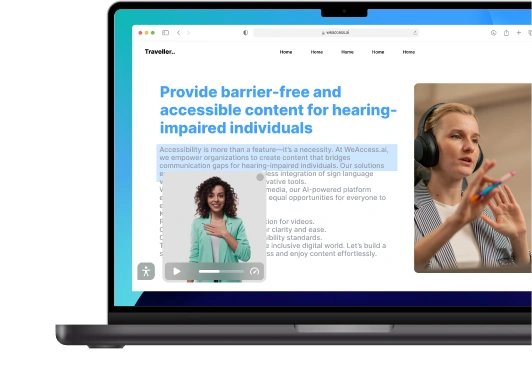
Section 508 compliance is not only a legal requirement but also a step towards creating a barrier-free digital environment. By fostering accessibility from the ground up, organizations contribute to an inclusive society where technology becomes a tool for empowerment.
Enforcing Section 508: How Compliance is Upheld
Government Agencies Responsible for Enforcement
Various government agencies are responsible for enforcing Section 508 compliance. These agencies work to ensure that federal departments and contractors abide by the accessibility guidelines, promoting an accessible government for all citizens.
Auditing and Monitoring Section 508 Compliance
Regular audits and monitoring play a significant role in upholding Section 508 compliance. By conducting accessibility audits, organizations can identify areas for improvement and ensure ongoing adherence to the guidelines.
Penalties for Non-Compliance: Fines and Sanctions
Non-compliance with Section 508 can result in penalties, fines, and other sanctions. To avoid legal repercussions and promote accessibility, organizations must prioritize compliance and accessibility.
Promoting Accountability: Reporting Violations
Transparency and accountability are essential in maintaining Section 508 compliance. Reporting violations and addressing issues promptly contribute to a culture of accessibility and inclusivity.
Resolving Issues to Maintain Accessibility Standards
When accessibility issues arise, prompt resolution is vital to maintain compliance with Section 508. A proactive approach to addressing and fixing problems ensures an accessible digital environment.
Section 508 Compliance Standards: Guidelines for Accessibility
Understanding the Revised Section 508 Standards
Over the years, Section 508 standards have evolved to keep pace with technological advancements. Understanding the revised standards is crucial for organizations seeking to create and maintain an accessible digital presence.
Designing Accessible Websites: Best Practices
Designing accessible websites involves implementing best practices, such as providing clear navigation, using sufficient color contrast, and ensuring compatibility with assistive technologies. These practices promote an inclusive and user-friendly web experience.
Document Accessibility: Creating Inclusive Content
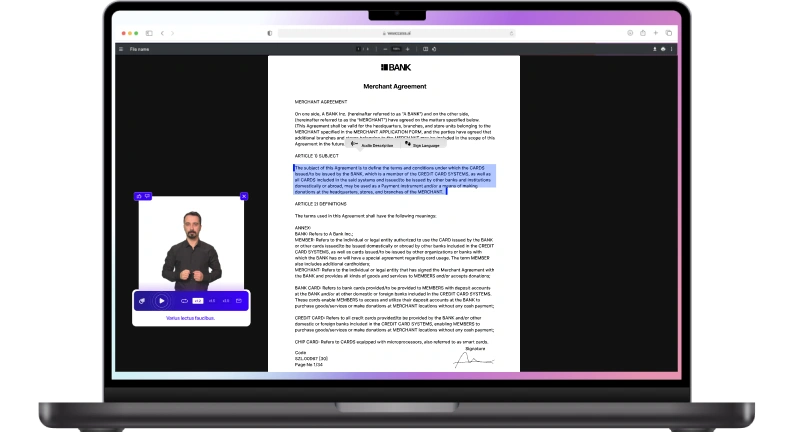
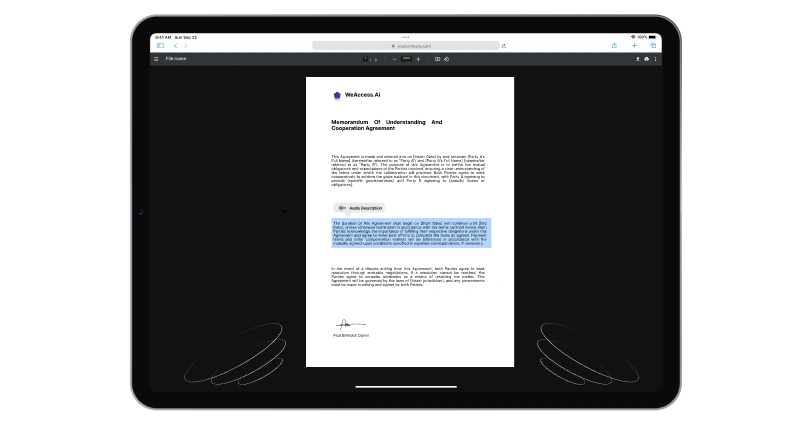
Documents, such as PDFs and Word files, need to be accessible to all users. By following specific guidelines, organizations can ensure that their documents are compatible with assistive technologies and easily navigable.
Procurement of Accessible ICT: Guidelines for Vendors
Vendors play a crucial role in ensuring Section 508 compliance. Procuring accessible ICT involves selecting products and services that meet the accessibility criteria, thus contributing to a more inclusive digital environment.
Testing and Evaluating Digital Accessibility
Thorough testing and evaluation of digital accessibility are essential to identify and rectify potential barriers. Conducting usability testing with individuals with disabilities helps ensure that digital content is accessible to all users.
Impact of Section 508: Advantages and Benefits
Empowering People with Disabilities: Inclusive Technology
Section 508-compliant technology empowers individuals with disabilities, enabling them to participate in education, employment, and social activities with greater independence.
Enhancing User Experience through Accessibility
Accessibility enhances the user experience for all individuals, not just those with disabilities. A user-friendly interface that considers diverse needs leads to increased engagement and customer satisfaction.
Expanding Market Reach: Accessible Products and Services
By embracing accessibility, organizations can tap into a larger market segment. Accessible products and services resonate with customers who value inclusivity, leading to increased market reach and brand loyalty.
Strengthening Corporate Social Responsibility (CSR)
Incorporating Section 508 compliance into corporate practices showcases a commitment to social responsibility. It demonstrates an organization's dedication to fostering an inclusive society.
The Positive Impact of Section 508 on Society
Section 508 compliance has a broader positive impact on society by breaking down barriers and promoting equal opportunities. It reflects a collective effort to make technology accessible to all.
Who Must Comply with Section 508?
Federal Agencies and Section 508 Compliance
Federal agencies are obligated to comply with Section 508 guidelines, ensuring that government services and information are accessible to everyone.
Private Companies and Accessibility Regulations
While private companies may not be directly bound by Section 508, embracing accessibility is a best practice that demonstrates a commitment to inclusivity.
Contractors and Subcontractors: Compliance Requirements
Contractors
and subcontractors working with federal agencies must also comply with Section 508 guidelines when providing ICT solutions.
Understanding the Scope of Section 508 Applicability
Understanding the scope of Section 508 applicability is crucial for organizations to determine their responsibilities and obligations under the law.
Exceptions and Exemptions to Section 508 Compliance
Certain exceptions and exemptions exist within Section 508, which organizations must be aware of to understand the full scope of their compliance obligations.
Risks of Non-Compliance with Section 508: Consequences and Implications
Legal Liabilities: Lawsuits and Legal Actions
Non-compliance with Section 508 can lead to legal liabilities, including potential lawsuits and legal actions.
Damage to Reputation: Impact on Brand Image
Failure to prioritize accessibility can damage an organization's reputation and negatively impact its brand image.
Financial Costs of Non-Compliance
The financial costs associated with non-compliance, including fines and legal fees, can be substantial.
Negative Effects on User Trust and Loyalty
Inaccessible digital content can erode user trust and loyalty, leading to decreased customer satisfaction.
Mitigating Risks: Importance of Accessibility Audits
Regular accessibility audits and ongoing compliance efforts are vital in mitigating risks and ensuring a positive reputation.
Conclusion
Section 508 stands as a vital piece of legislation that underscores the importance of inclusivity in the digital age. By embracing accessibility guidelines and making digital content reachable to all individuals, we create a more inclusive society where everyone can participate in the digital world without barriers. As technology continues to evolve, adherence to Section 508 standards remains paramount in ensuring equal opportunities and empowering individuals with disabilities.
What is 508 Compliance?
508 compliance refers to adherence to the accessibility requirements outlined in Section 508 of the Rehabilitation Act, which ensures equal access to ICT for individuals with disabilities.
What Makes a Document 508 Compliant?
A document becomes 508 compliant when it meets the accessibility standards, including providing text alternatives, using accessible colors, and ensuring compatibility with assistive technologies.
What are Section 508 Features?
Section 508 features encompass various guidelines and requirements that promote digital accessibility for people with disabilities.
What is the Section 508 Compliance Review?
The Section 508 compliance review involves evaluating digital content, applications, and websites to ensure they meet the accessibility guidelines specified in Section 508.